Everyday school tasks require more than academic ability. For some individuals with disabilities, birth to 26 years, challenges with fine-motor coordination, sensory regulation, mobility, self-care, and using adaptive tools can affect how they participate in class and move through the school day. School-based certified occupational therapy assistants help individuals build the practical skills they need to participate more fully at school, at home, and in the community. They deliver occupational therapy services under the supervision of a licensed occupational therapist and help support goals tied to classroom access and daily living independence.
To become a Michigan Occupational Therapy Assistant you will need to:
- Complete an Associate Degree with a ACOTE-accredited Occupational Therapy Assistant program
- Pass the NBCOT COTA exam. COTA = Certified Occupational Therapy Assistant
- Pass the Michigan jurisprudence exam
- Apply for a Michigan OTA license through LARA
How Michigan School Certified Occupational Therapy Assistants Can Help
The job of a certified occupational therapy assistant includes a range of responsibilities:
- Therapy Support: Carry out occupational therapy activities under the supervision of a licensed occupational therapist to help individuals build practical school-day skills.
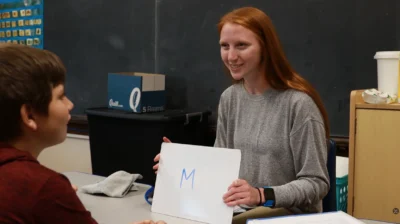
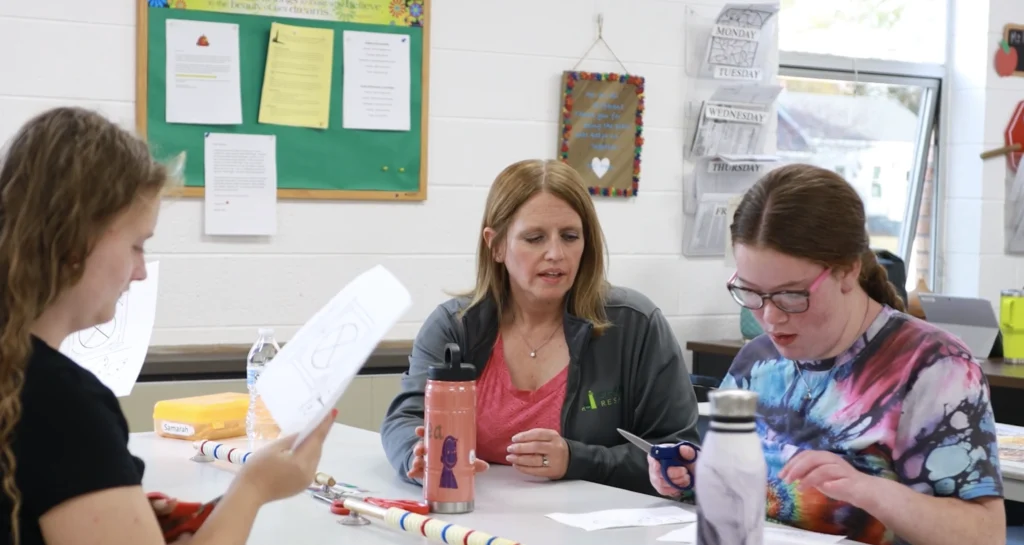
- Fine-Motor Development: Help individuals strengthen skills needed for handwriting, classroom participation, tool use, and other daily tasks.
- Sensory and Self-Regulation Support: Reinforce strategies that help individuals stay organized, regulated, and ready to participate in learning.
- Daily Living Skills: Support skills connected to self-care, independence, and participation in routines across the school day.
- Adaptive Tools and Access: Help individuals use adaptive tools and supports that improve access to learning and everyday activities.
- Progress Monitoring: Measure progress, document sessions, and share observations with the supervising occupational therapist to help refine the intervention plan.
- Team Collaboration: Work closely with occupational therapists, paraeducators, special educators, and other school Partners to support individuals consistently across settings.
Certified occupational therapy assistants help remove barriers that can make school routines harder to manage. Their work supports stronger participation, greater independence, and better access to the school day for individuals who need extra help with practical skills.
Copper Country ISD
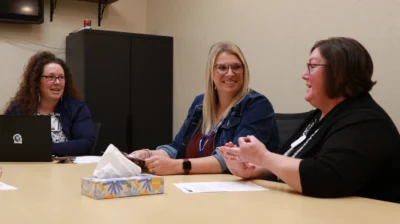
Melissa, from the Copper Country ISD, is helping children with disabilities, Birth to 26, excel in school!
Why Certified Occupational Therapy Assistants in Special Education Are Important
Certified Occupational Therapy Assistants are important in special education because they help individuals with disabilities, birth to 26 years, build the practical skills they need to participate more fully in school. By supporting fine-motor development, sensory regulation, self-care, and the use of adaptive tools, they help remove barriers that can affect learning, independence, and daily routines.
Working under the supervision of a licensed occupational therapist, they also help school teams carry out consistent supports that make the school day more accessible and successful for each individual through a variety of approaches:
- Classroom Participation: COTAs help individuals build the practical skills needed to engage more fully in classroom routines and activities.
- Independence: COTAs support growth in self-care, tool use, and day-to-day functioning that helps individuals do more on their own.
- Access to Learning: COTAs help individuals use supports and strategies that make learning environments easier to navigate.
- Stronger Team Support: COTAs work with occupational therapists and school Partners to keep supports consistent across the day.
- Meaningful Progress: By documenting sessions and tracking changes, COTAs help teams adjust services, so support stays responsive to individual needs.
Melissa Wiseman, a certified occupational therapy assistant from Copper County, Michigan, explained why she loves her job: “The most rewarding thing is watching kids progress and sometimes do the unthinkable.”
About OPTIMISE
OPTIMISE attracts, prepares, and retains diverse and qualified personnel to help advance individuals with disabilities (birth to 26 years).
The OPTIMISE Task Force, Core Team, and Action Teams work with many partners, including Michigan’s leading education organizations and legislature, to reduce barriers and align licensing for special educators. This work also includes working with all levels of education to accomplish this goal.
OPTIMISE promotes ten professions within Michigan’s special education field, their funding options, and steps to jumpstart a career in special education.
Join a great group of dedicated people who help individuals with disabilities excel.
Go to: OPTIMISE.education