
In rural Michigan, finding and keeping qualified special educators has become a persistent challenge. The Michigan Department of Education reports that statewide shortages are especially difficult in regions with fewer training programs and long travel distances between schools. To meet these challenges, the Gratiot-Isabella Regional Education Service District (GI RESD) is developing a workforce strategy focused on shared services, mentorship, and paraeducator career development – all aimed at supporting individuals with disabilities from Birth to 26 years.
Shared Services That Stretch Resources
Serving nine local districts, two public school academies, and multiple private schools, GI RESD supports more than 2,000 students with Individualized Education Programs (IEPs). Its Special Education Department operates 24 classroom programs that reach across Gratiot and Isabella counties. Through a shared-services model, GI RESD provides special education service providers, including Speech-Language Pathologists, occupational therapists, physical therapists, school social workers, and school psychologists, to multiple districts. This regional model reflects a growing trend across Michigan’s rural areas: pooling resources to keep specialized programs staffed and sustainable.
Mentorship and Career Pathways
Teacher retention is another pressing concern for rural regions. GI RESD invests in mentorship and professional development, pairing new educators with experienced mentors and teacher consultants who can help them navigate the unique challenges of special education. These supports build confidence, reduce turnover, and strengthen classroom quality for students who rely on continuity.
By creating an environment where educators can grow in their careers through highly individualized professional development and tuition reimbursement, GI RESD helps ensure that families in its rural service areas continue to receive consistent, high-quality support.
Growing the Paraeducator Pipeline
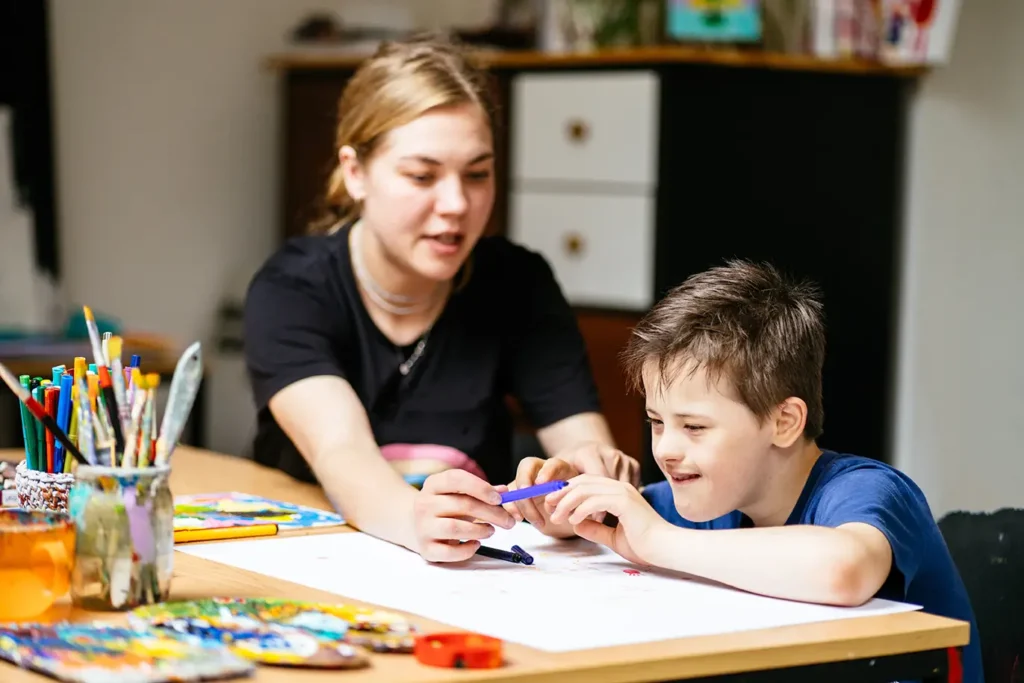
The district is also investing in paraeducator development, who are essential partners in classrooms across Michigan. Paraeducators provide direct support to students with disabilities and play a central role in helping teachers give individualized instruction to each student.
The district provides intense paraeducator development before each school year as well as opportunities throughout the school year. Building the capacity of the paraprofessional staff is critical in providing exceptional services to students in RESD programs. Additionally, the RESD supports the efforts of local districts by providing professional development opportunities in group settings as well as on-demand training.
With multiple Paraeducator openings in center-based programs, the district is cultivating a local workforce pipeline that fills critical staffing gaps while creating long-term employment opportunities for residents.
Sources:
Gratiot-Isabella Regional Education Service District. (n.d.). Special Education Department. Retrieved November 2025, from https://www.giresd.net/page/special-education-Gratiot-Isabella Regional Education Service District. (n.d.). Employment Opportunities. Retrieved November 2025, from https://www.giresd.net/o/giresd/page/employment
Michigan Department of Education. (2024, June 14). Michigan working to address shortage of special educators. https://www.michigan.gov/mde/news-and-information/press-releases/2024/06/14/michigan-working-to-address-shortage-of-special-educators-Michigan Association of Administrators of Special Education. (n.d.). Paraeducator Learning Series. Retrieved November 2025, from https://www.maase.org/ paraeducator-learning-series