The move from school to adulthood can be complex for individuals with disabilities, birth to 26 years. Special education transition coordinators help individuals, often ages 13 to 26, prepare for what comes next by identifying opportunities to build skills for continuing education, independent living, work, and community participation. Their work helps students move toward adult life with clearer goals and stronger support.
To become a Michigan Occupational Therapy Assistant you will need to:
- Earn a bachelor’s degree in special education or a related field.
- Complete a minimum of three years of experience in special education, transition planning, vocational rehabilitation, or a related field.
- Michigan Transition Coordinator Approval (MARSE R 340.1799G) – must be received by the Michigan Department of Education, Office of Special Education (MDE, OSE) during the school year (July 1 to June 30) in which the effective date applies.
Questions regarding placement, assignment, role, and services allowed for individuals working under either of these options should be directed to the Office of Special Education at [email protected].
How Michigan Special Education Transition Coordinators Can Help
What is a transition coordinator? The job of a special education transition coordinator includes a range of responsibilities that help individuals build practical plans for life after high school. Their work centers on helping students gain the knowledge and skills they need for adult life.
- Transition Planning: Help individuals prepare for life after high school by identifying goals and next steps tied to education, employment, independent living, and community participation.
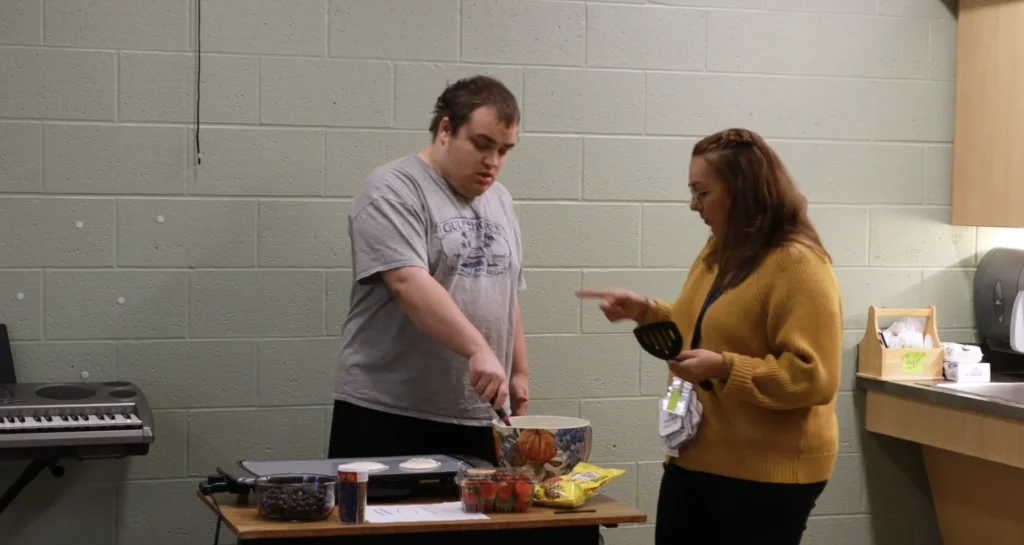
- Skill Building: Support students as they develop the practical knowledge and skills needed to move from student life into adulthood.
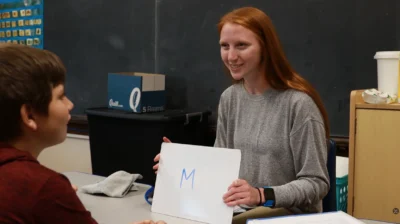
- Instructional Support: Prepare, adapt, and deliver instructional materials for students with disabilities as part of the transition process.
- Opportunity Identification: Help connect individuals to experiences and pathways that strengthen readiness for work, postsecondary learning, and adult responsibilities.
- Student-Centered Guidance: Work with each individual’s strengths, needs, and goals to support a more successful transition into adult life. This phrasing is an inference from the page’s emphasis on helping students reach their fullest potential through tailored transition support.
Special education transition coordinators help bridge the gap between school and adulthood. Their work gives individuals a more organized path forward and helps families and school teams focus on meaningful outcomes beyond graduation. This summary is based on the role description and transition-focused duties listed on the OPTIMISE page.
Marquette-Alger RESA - Transition Teacher
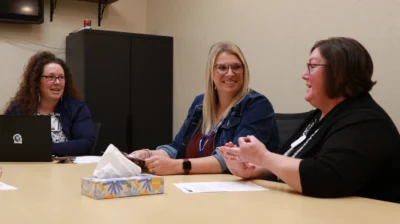
Dawn, from the Marquette-Alger RESA, is helping children with disabilities, Birth to 26, excel in school!
Why Special Education Transition Coordinators Are Important
- Better Preparation for Adult Life: Transition coordinators help individuals plan for education, employment, independent living, and participation in their communities.
- Stronger Direction: They help students move toward adulthood with clearer goals and more intentional planning. This is an inference from the role’s transition-planning focus.
- Support Beyond the Classroom: Their work connects school experiences to real-world next steps, helping individuals prepare for life after graduation.
- More Consistent Guidance: Transition coordinators help keep school-based planning focused on practical outcomes that matter to the individual’s future. This is an inference grounded in the page’s description of coordinating opportunities and skills for adult life.
- A More Confident Transition: By helping individuals build readiness over time, transition coordinators support a smoother move into adult roles and responsibilities.
Dawn Broxholm-Pape, a transition teacher from Marquette-Alger RESA, spoke about her reasons for pursuing her special education certification: “I knew it would open a lot of doors and hopefully impact a lot of lives, so that’s what I went for and that’s what I continue to do today!”
About OPTIMISE
OPTIMISE attracts, prepares, and retains diverse and qualified personnel to help advance individuals with disabilities (birth to 26 years).
The OPTIMISE Task Force, Core Team, and Action Teams work with many partners, including Michigan’s leading education organizations and legislature, to reduce barriers and align licensing for special educators. This work also includes working with all levels of education to accomplish this goal.
OPTIMISE promotes ten professions within Michigan’s special education field, their funding options, and steps to jumpstart a career in special education.
Join a great group of dedicated people who help individuals with disabilities excel.
Go to: OPTIMISE.education