Help Protect Services for Michigan’s Children
The Fiscal Year 2026 budget, signed last fall, dedicates additional funds to address student mental health needs and to strengthen state support for special education services, reflecting a 9.4% increase over current funding levels. These investments help ensure that children with developmental needs can continue accessing early intervention, treatment, and family support close to home.
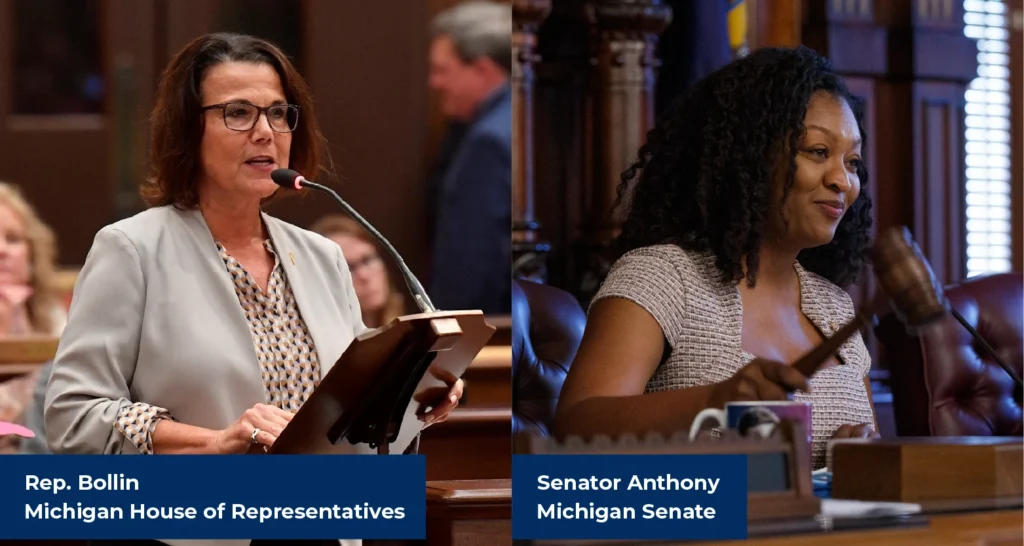
Sen. Anthony and Rep. Bollin emphasized that the budget’s goal was to put special education personnel first—a message that resonates with families who depend on these services. Their leadership reflects a practical, compassionate approach to government, protecting programs that directly improve the lives of individuals with disabilities, from Birth to 26 years, and those who support them.
Just as importantly, this outcome required legislators to come together—because Michigan’s special education system can’t be strengthened through partisan effort alone. Special educators, related service providers, and support staff serve students in every region and community type. When staffing shortages grow, caseloads rise, and burnout increases, the impact is felt immediately by students and families who rely on consistent, high-quality services. A bipartisan budget signals stability: it tells districts they can plan, hire, and retain professionals with confidence, and it reassures families that critical supports will not be treated as optional or temporary.
Collaboration also reflects a shared responsibility to Michigan residents with disabilities, who deserve access to services that promote independence, belonging, and long-term opportunity. Investments in special education and student mental health reduce barriers early, improve educational outcomes, and strengthen communities over time. When lawmakers work across the aisle to prioritize these needs, they affirm a simple truth: supporting individuals with disabilities, ages Birth to 26, and the professionals who serve them is not a political issue—it’s a commitment to Michigan’s future.